Baby Registry Checklist 2026: What You Actually Need (No Overwhelm)
Not sure what to put on your baby registry? You’re in good company. Most first-time moms either overload their list with items they’ll never use — or forget the things that actually make those newborn weeks survivable.
The good news: building a smart, complete registry doesn’t require hours of research. It requires a clear framework organized by how your baby lives — sleeping, eating, moving, and staying healthy.
A complete baby registry covers 6 core categories: sleep, feeding, diapering, travel, clothing, and health essentials — with a range of price points for every guest budget. Aim for 50–75 items total, and start before week 20 of your pregnancy for the best selection.
🍼 The 6 Essential Baby Registry Categories
Instead of an endless product list, think in categories first. This keeps your registry balanced, makes it easier for gift-givers to find something in their budget, and helps you spot any gaps before your baby shower.
Sleep Essentials
- Crib or bassinet
- Firm, flat mattress
- 2–3 fitted sheets
- Swaddles or sleep sacks
- Baby monitor (audio or video)
- White noise machine
Feeding Must-Haves
- Bottles (even if breastfeeding)
- Burp cloths (at least 8–10)
- Bottle brush + drying rack
- Nursing pillow
- Breast pump (check insurance)
- High chair (4–6 month stage)
Diapering Basics
- Diapers (newborn + size 1)
- Fragrance-free wipes
- Diaper cream or balm
- Waterproof changing pad
- Diaper bag (backpack style)
- Wet bags (for on-the-go)
Travel & On-the-Go
- Infant car seat (mandatory)
- Full-size or lightweight stroller
- Baby carrier or wrap
- Travel bassinet (optional)
Clothing Essentials
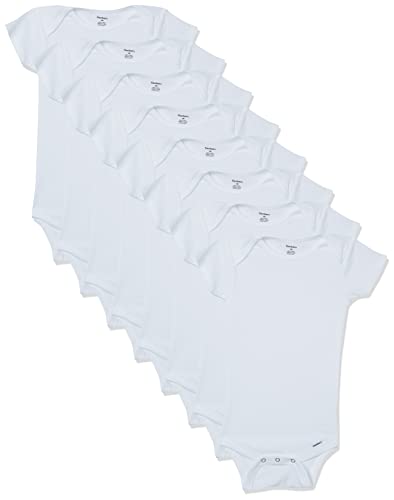
- 6–8 onesies (skip size, focus NB + 3M)
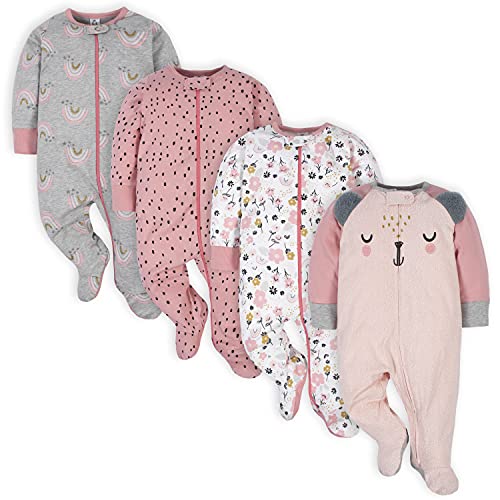
- Zip-up sleepers (zip over snap)
- Socks and scratch mittens
- Hat for hospital going-home
- Season-appropriate layers
Health & Safety
- Rectal or temporal thermometer
- Nail file or gentle clippers
- Nasal aspirator (Frida NoseFrida)
- Baby first aid kit
- Cool-mist humidifier
- Baby-safe pain reliever (ask pediatrician)
⚠️ Common Baby Registry Mistakes to Avoid
Even well-researched registries fall into predictable traps. Knowing these ahead of time will save you money, storage space, and post-baby returns.
- Too many newborn clothes. Babies outgrow NB size in 2–4 weeks. Focus on 0–3 months and 3–6 months instead.
- Forgetting postpartum items for mom. Nursing pads, postpartum underwear, and a good water bottle belong on your list too.
- No range of price points. If everything costs $80+, guests on a tighter budget can’t participate. Include items from $15 to $150+.
- Only one brand per category. Add multiple options at different price levels so guests have choices.
- Waiting until your third trimester. Popular items sell out fast and some registries require time to activate perks.
- Skipping “group gift” items. Big-ticket items (stroller, crib) are perfect for groups — tag them clearly so families can coordinate.
After your baby shower, most registry platforms offer a completion discount (typically 10–20%) on remaining items. Use it strategically for your priciest unpurchased items before the deadline.
💡 Why a Smart Registry Makes Everything Easier
A modern baby registry is more than a gift list. Used well, it’s a planning tool, a savings system, and a postpartum safety net — all in one place.
- Everything in one place. No more texting family links or juggling spreadsheets. All items, all categories, all tracked automatically.
- Easy for any gift-giver. Grandma, your work colleagues, your college friends — everyone can find something in their budget without guessing.
- Built-in purchase tracking. You’ll always know what you still need, so you can complete your stash before your due date.
- Exclusive perks and discounts. Many platforms offer welcome boxes, free samples, and completion discounts worth $50–$100+ in value.
- Easy returns and exchanges. Duplicate or wrong-size gifts can be swapped hassle-free on most major platforms.
🎁 Ready to Build Your Baby Registry?
Now that you know exactly what to include, the easiest next step is to set up your registry with a platform that does the heavy lifting — pre-filled categories, perks, and smart tracking built in.
👉 Start Your Free Baby Registry📅 When to Start Your Registry (A Simple Timeline)
Timing matters. The earlier you create your registry, the more benefits you unlock — from better availability on popular items to maximum time for guests to purchase before the shower.
❓ Frequently Asked Questions
Still have questions? Here are the most common things first-time moms ask about building their baby registry.
Most parents create their registry between weeks 12 and 20 of pregnancy — ideally right after the first trimester, once the pregnancy feels more certain and you’re starting to think about the nursery. Creating it early gives you the most time to research items, allows guests to plan, and maximizes your eligibility for registry welcome gifts and perks from the platform.
Aim for 50 to 75 items across all 6 categories. That range is enough to give guests real choice without overwhelming them. Too few items and people can’t find anything in their budget; too many and the list feels unfocused. Make sure roughly 30% of your items are under $30 so guests with modest budgets aren’t left out.
Yes — virtually all major registry platforms let you edit your list at any time. In fact, it’s encouraged. Many parents update their registry several times throughout pregnancy as they attend prenatal classes, get advice from other moms, or change their minds on products. You can also keep your registry active after your baby is born to capture late gifts and take advantage of completion discounts.
Yes — creating a baby registry is completely free on all major platforms. There’s no subscription or setup fee. Some platforms even reward you for signing up with a free welcome box of product samples. The only time you spend money is when you or your guests actually purchase items from the list.
Absolutely. Postpartum recovery is real, and many guests want to buy something practical for mom. Consider adding nursing bras and pads, a hands-free pumping bra, a postpartum support belt, a large water bottle with a straw, comfortable robes or pajamas, and healthy snacks or meal delivery gift cards. Grouping these in a “Mom Essentials” section makes them easy to find.
A store registry (like Amazon Baby Registry) lets guests buy items shipped and fulfilled by one retailer, which typically means consistent pricing, easy returns, and tracking in one dashboard. A universal registry lets you add items from any website. Universal registries offer more flexibility but can be more complex to manage and may not offer the same perks, discounts, or return policies as a single-retailer registry.